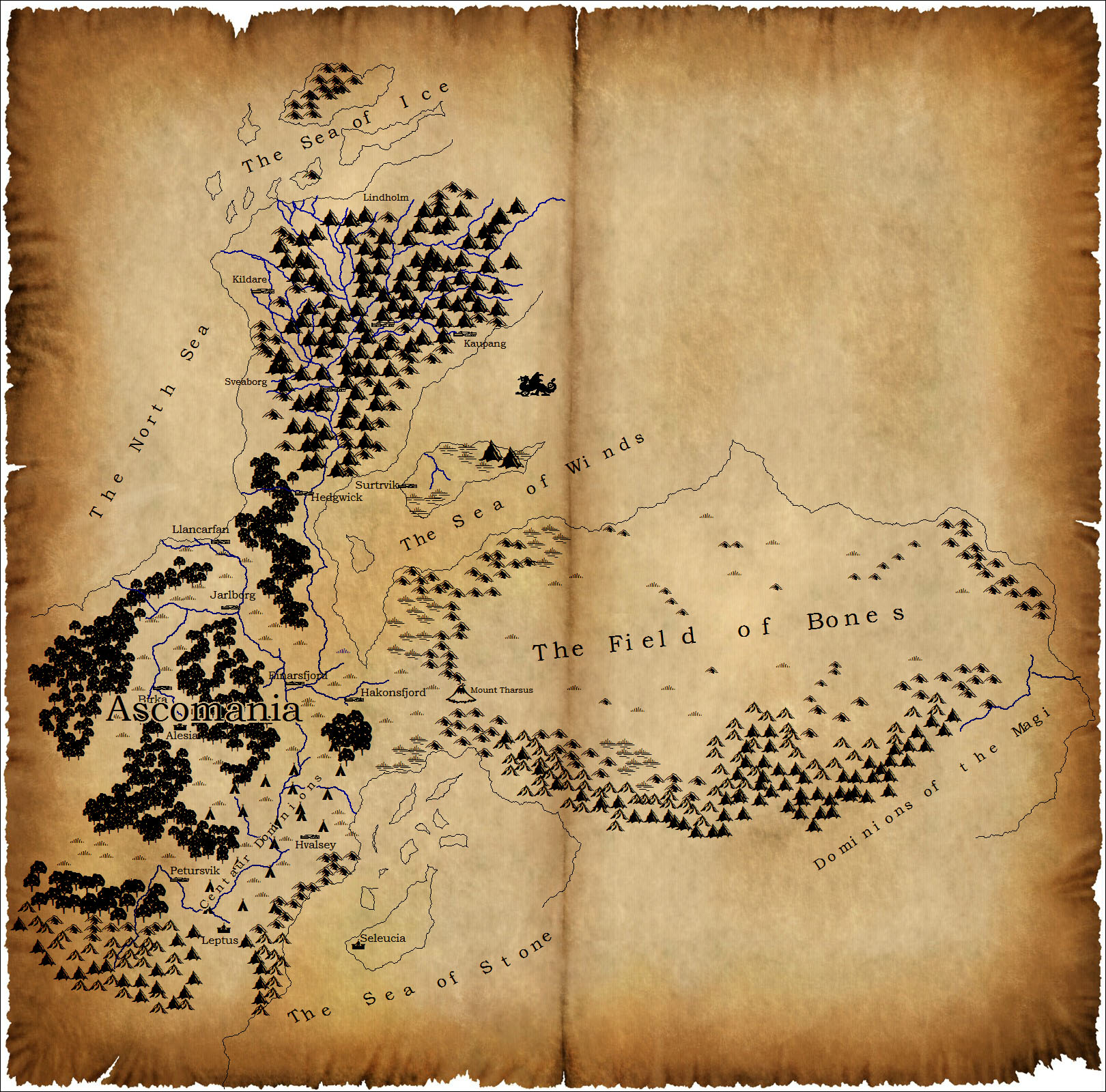
Your people come from the far east, where over thousands of years they were pushed west, at several times facing extinction, assailed by an evil which cannot be named, which must not be named. As generations of your forefathers fell in battle in the rearguard holding off this unspeakable foe, the rest of your ancestors took flight west. During this bloody time, known as the Age of the Raven, your people were pitied by the gods, who granted them the knowledge to harness the spirits of nature into magic. At Tharsus the evil was destroyed by the cleansing light of Aurvandil, who cast the leader of the dark ones into the fires of the mountain bottom. As those who must not be named retreated away, the host of your people, who are today called Ascomanni (‘Ashmen’), found themselves in a new and alien land, inhabited by a flourishing and affluent civilization and empire.
The Holy Empire stretched for thousands of miles in all directions, unified by imperial dominion, host to an emperor and a technologically advanced army. Writers of law, lovers of music, poetry and art, the Empire and its many wealthy cities were bastions of learning, civility and refinement, far surpassing anything the battle-exhausted Ascomanni were able to scrape together during their endless flight, the Age of the Raven. As the imperial dominions were already populated, the arrival of the Ascomanni came as a strain on the economy and land. At first the emperors sought to use the new arrivals as a tool to finally rid themselves of the petty kingdoms bordering the Empire and hired them out as mercenaries. Yet this was an insufficient measure, and still the east of the Empire was flooded by refugees, many of whom lived in dense ghettos, in filth, starving and yearning for more. While the Emperors offered relief from this situation on completion of imperial service, they broke their oaths, and so the Ascomanni stirred to war.
The Empire did not initially fear the action of the Ascomanni, as they inhabited only a small part of the periphery of the north eastern frontier, and instead of mobilizing a grand host rather sent the provincial army against them. Yet the Ascomanni were no strangers to war, having sharpened their society into a cult of battle and death by necessity. This, combined with their fearlessness and their ability to channel the magical craft, lead to disastrous routs for the Empire. Magic, it would seem, was the ultimate factor determining the Empire’s defeat, as the druids and warlocks of the people were able to decimate ranks of armored knights in oceans of fire without resistance. The imperial forces, which had grown complacently fat in their decadence, were battered, and soon the great cities of Empire were besieged and razed with yet unknown brutality. The petty kingdoms which had once been assailed by the Ascomanni mercenaries, located on the distant borders of the Empire, seized upon this time to also war against the Imperial crown. This time, in which the Empire was utterly destroyed , its population depleted or enslaved and its treasures plundered and lost, is known as the Time of Troubles in the imperial accounts and as the Wind Age in our own sagas.
Today our people most numerously inhabit Ascomania, the land of the Ashmen. Where there were once millions of people, now are thousands, such has been the toll of the murderous Wind Age. The great metropolises of the Empire are now petty kingdoms, inhabited by mere hundreds, and frozen fjords are dotted with small fortified hamlets of dozens; these are the only settlements of human life. The monsters of the deep Earth, who once restricted to their dark burrows by the bustling industry of man, have returned to our forests and mountains, and terrorize the countryside with regularity and abandon. The countryside is strewn with ancient, fractured, fortresses, home to the spirits of slaughter and brittle fragments of bronze armor, and a heavy fog suffocates the sky. Storms are regular, and the sun rarely shines radiantly, instead resigned to a foreboding and weakening twilight. The forests, once made safe by the steady work of imperial woodsmen, are places now where men do not tread, once again roamed by trolls, wolf men and giants. Few return from the forest, and those that do are so terrified from what they have seen that they often cannot speak. It is said that this plague of monsters, beings once thought to be only legend, is our punishment for the slaughter we inflicted upon the land. Whether it was the absence of man from the remote corners of the world which compelled the monsters to arrive, or whether it was the punishment of the gods, matters not, for the art of magic is no longer a trusted craft, instead feared or forgotten by the vast majority of people.
This is the Wolf Age, an age without civility, in which the few remaining inhabitants of the world have taken to piracy to sustain themselves. This is an age of warlords, where the weak cling to strongmen in hope of surviving the winter’s frost and the summer’s searborne raids, which bring bands of lusting warriors in longships. The cult of battle and glorious death, once a virtue during the Raven Age, had by this Age of the Wolf inspired cannibalism: our people war against one another. While many warbands sustain themselves by raiding neighbors or rally together in transitory alliances to harass the petty kingdoms now inhabiting the once great Imperial cities, your band, the people of hakonsfjord, have chosen a different path. A small band of no more than 50, your people have historically served as loyal mercenaries for the petty kingdoms, as well as profited from raiding the various centaur encampments to the south west.
While the plundering raids of the Ascomanni serve a ritualistic function and aim for the acquisition of wealth, the cursed race of Centaur inhabit a vast plain to the south west and annually mobilize a host to destroy our people, through the years leading to the obliteration of several hamlets and the reduction of the kingdoms. They are black hearted creatures, and roam the plains in great patrols, attacking on sight. It is said that they eat the dead and take no prisoners.
Our settlements are ruled by kings and chieftains, for the kingdoms and hamlets respectively. The chief acts as military leader, high judge and high priest and is elected by the Thing, a congress of free men, which is responsible for daily arbitrations. The chief is a descendant of Aurvandil and thus commands the service of his people; in return, he is to show the majesty and generosity of a godson. By his divine descent he is the "luck" of the people. The hamlets are comprised of four castes: the chief, the house men, the free farmers and slaves. The house men are the personal retinue of the chief, his knights, his bodyguards, and are privy to the highest status beside the chief himself. The house men must fight for the chief until death. The free farmers are those who cannot afford the armaments and campaign expenses of a house man, or lack the inclination or ability to participate as warriors. These men comprise the majority of the population and the Thing, and spend most of their time laboring their fields. They, as all men in the band, may be conscripted to fight during emergencies. The lowest caste, the slaves, are those who were lucky (or unlucky) enough to be spared during a raid, and were carted back to camp as plunder. They are powerless and at the mercy of their overlords.
The law of the people is simple: if you commit a crime, you must pay for it in a weregild (man tax). If you kill a man’s slave, you might be expected to pay 5 gold, but if you kill a house man, you might be expected to pay 500. If you are unable to pay this fee, the Thing decides your fate. Most are banished, and those who are exiled may be killed at will without penalty. Others are ordered to trial by combat, and must face a champion selected by those he has harmed. Ultimately the Thing decides the fate of the accused, and while the chieftain has the ultimate authority, he is by custom expected to stay out of judicial matters, except in outstanding circumstances.
The gods of the Ascomanni are many, but the chiefs of the pantheon are as follows. Aurvandil is the bringer of light, the lord of the sun, the remover of shadow and the patron of farmers, honor and fertility. As father of the gods, Aurvandil is worshipped by the majority of the Ascomanni, but especially by chieftains and kings, who claim his divine blood. Aurvandil is responsible for our wyrd, our destiny and luck. The great father wove the skane of your life many years ago. You can go and hide in a hole if you wish; you won't live a moment longer. The thread has been spun. The weave is set. Fear profits a man nothing.
Cern, the antlered god, is the lord of the forests and of beasts. Cern is also the king of the elves, a race of forest spirits he gave birth to in order to protect the trees and glades from molestation. Taranis, the thunderer, is lord of the seas and of storm, and his symbol is a thundercross. Worship of him is more common upcountry, especially in our people living by the North Sea. Hel, the decaying, is the goddess of The Gray Waste, the third and bottom realm, where those who have failed to die gloriously in battle go. She is also the queen of death and plague, as well as birth. Völund is the lord of anvils, smiths, stone and creation. Ermun is the patron of warriors and of glorious battle, who commands the shield maidens of the Great Hall, spirits who carry those slain in battle to their final resting place. We worship the gods through song, poetry, battle and a sacrifice of animals during the month of Blood. The trees and stones of our realm are filled with spirits, many with a wyrd of their own, they may trick or harm us, or they may help us, depending on the purity of our heart.
Ritual binds our people together, and most importantly, our men to the chieftain. In the Symbel ritual, a great hall is filled with the members of the band, who pledge oaths to the strongman, give speeches, exchange gifts and drink from his mead horn. This marries the housemen to the chief, as a man to a descendant of Aurvandil. In this fashion the housemen of a chief are not only soldiers, or mercenaries waiting for riches, but partake in a sacred promise bound by their honor and blood. It is this sort of ritual which we now find ourselves in…
The Planes of Existence:
The Great Hall - where the glorious dead go, Aurvandil's home
|
Middle Realm - where mortals inhabit.
|
The Gray Waste - where the inglorious dead go, the domain of Hel, goddess of death, decay and birth.
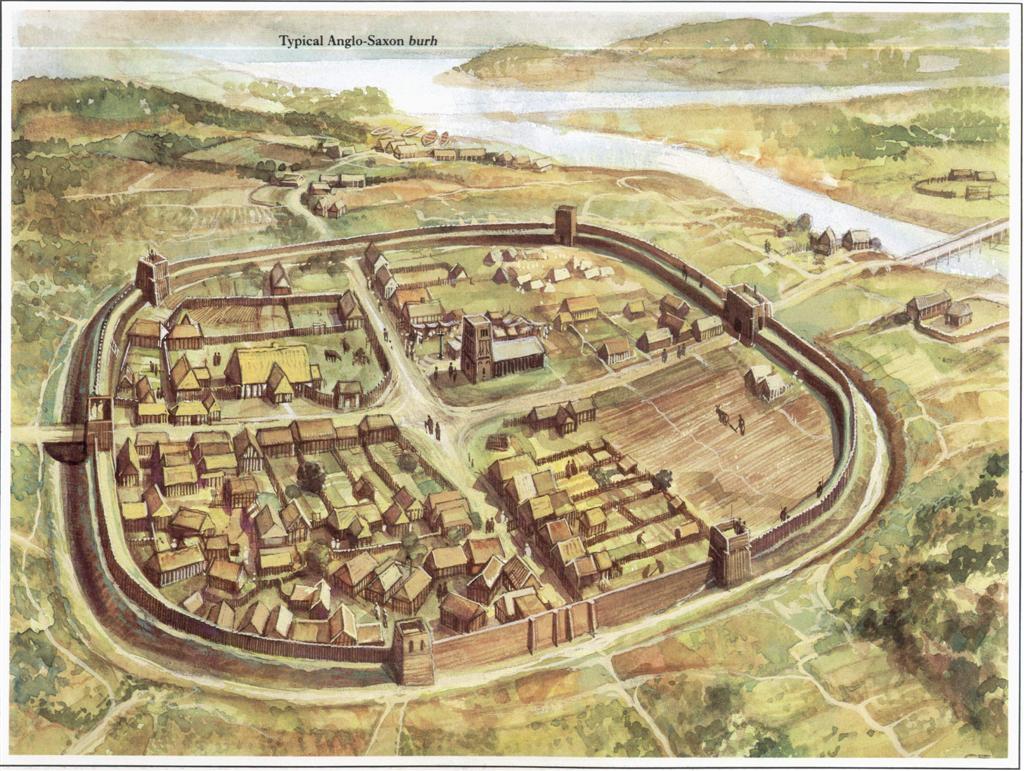
A typical fortified hamlet.
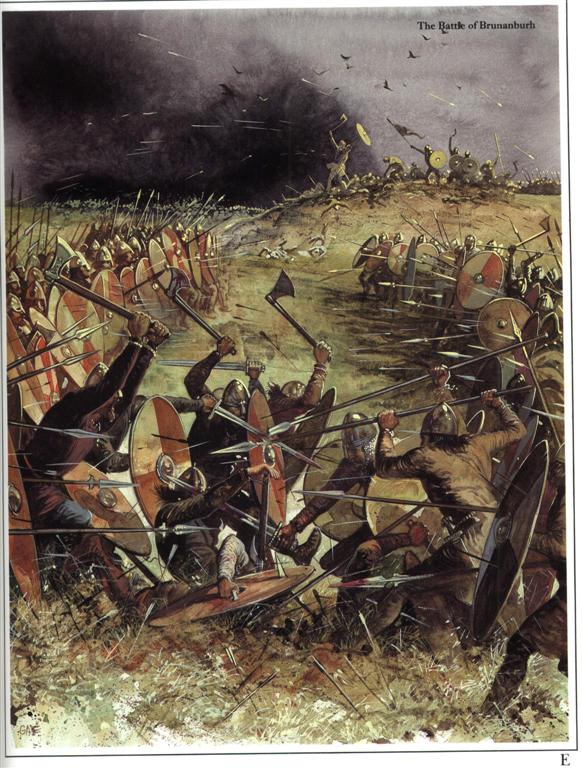
The Ascomanni method of war, the warriors lock their shields and form a wall of spears and blades, grinding into one another, while men in the rear ranks fire missiles.
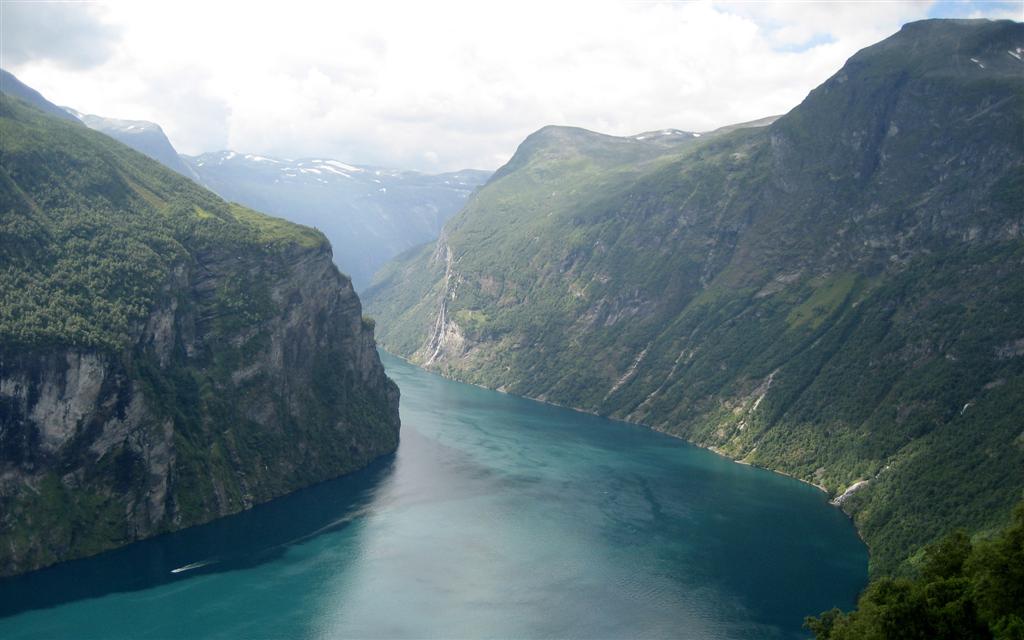
A typical fjord of the northern upcountry.
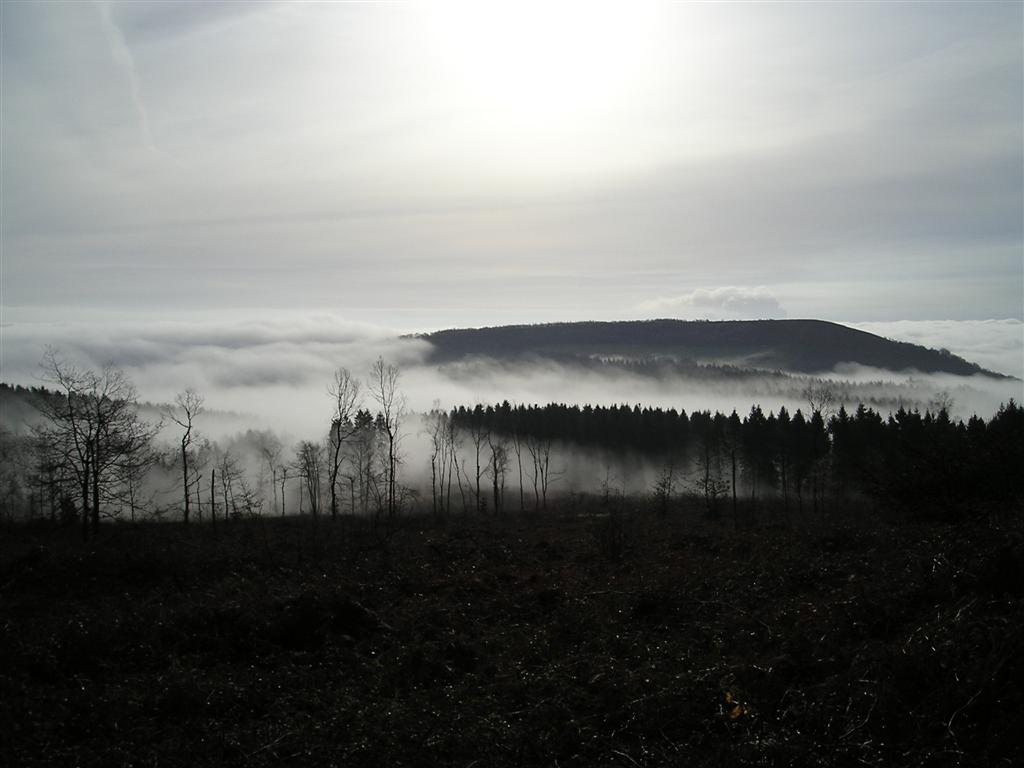
The dark forests, note the thick mist and dwindling twilight
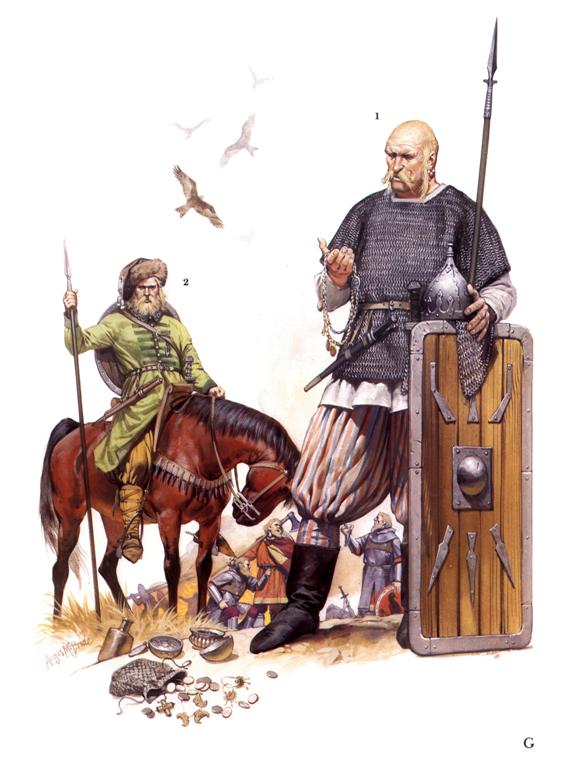
The Southern Ascomanni. Notice the regional differences: they adopt some of the customs and dress of the Centaurs and the Empire.
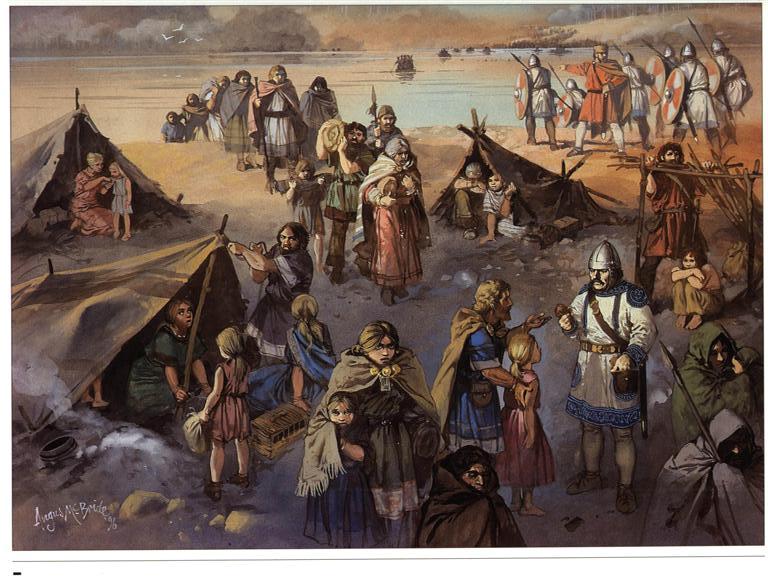
The Raven Age - your people on the run in makeshift dwellings.
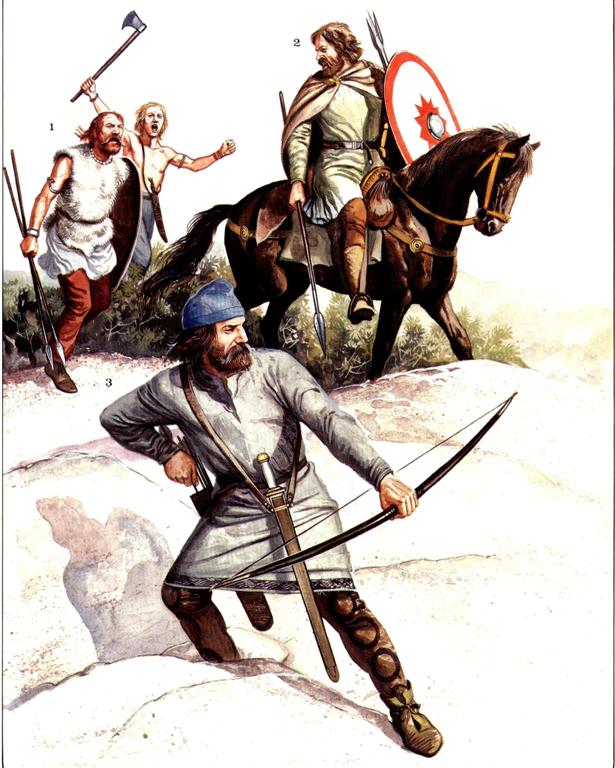
The upcountry Ascomanni, of a more plain, almost primitive dress, and less likely to wear armors. These people are the most skilled sailors, and must endure the most severe conditions.
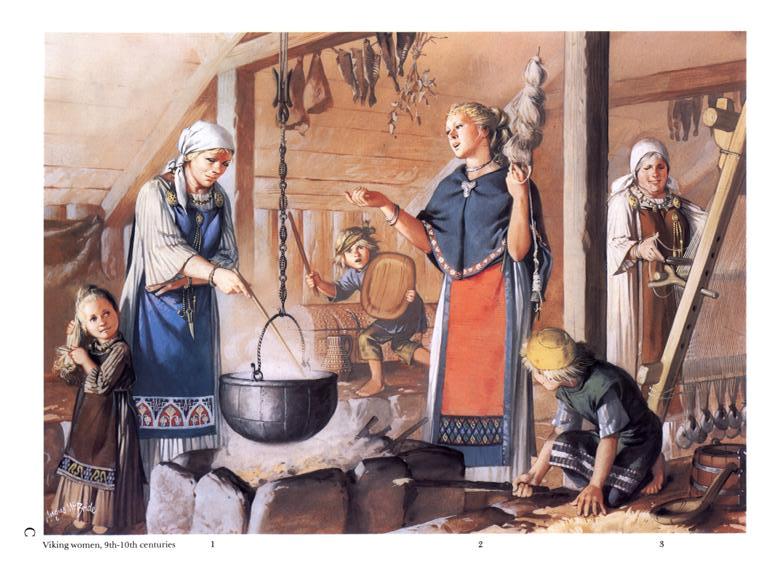
Typical Ascomanni women and detail of interior houses.
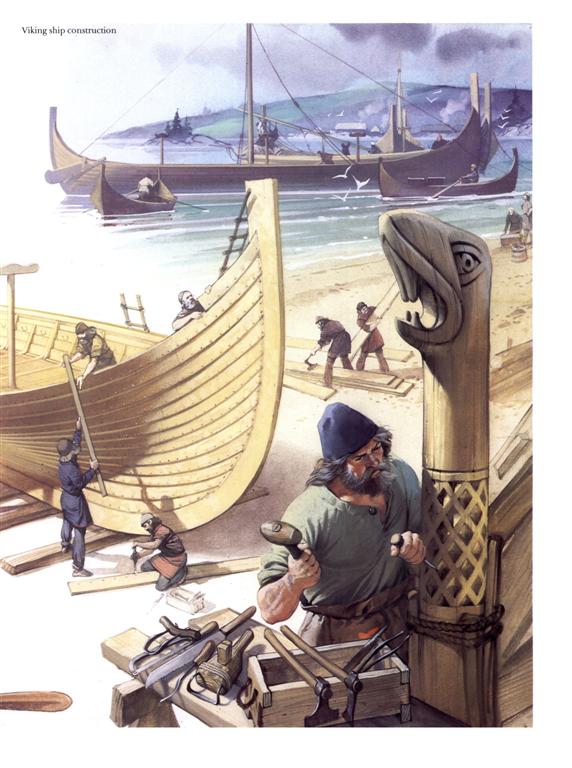
Ship production at Llancarfan
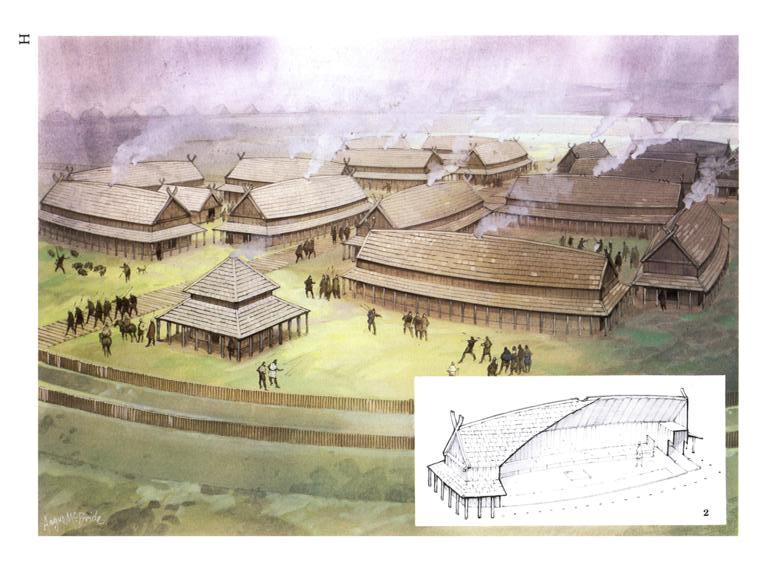
Another view of a typical hamlet, detail on the buildings.
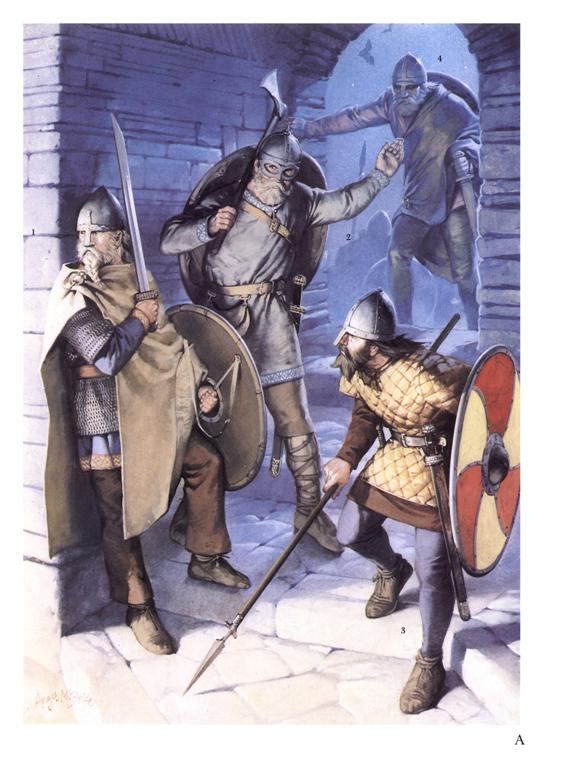
The majority of the Ascomanni dress in this fashion, including those of the forest rivers, the east and the country inbetween.
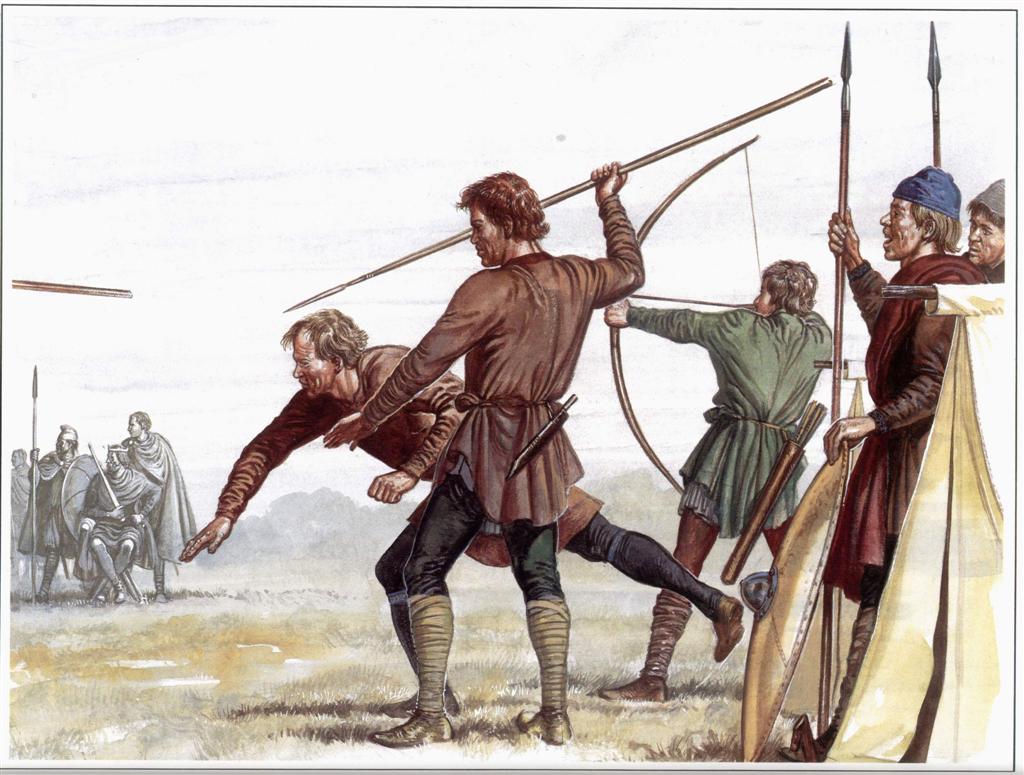
Members of the farmer and craftsman caste pressed into service - they fight without armor and use spears and bows.
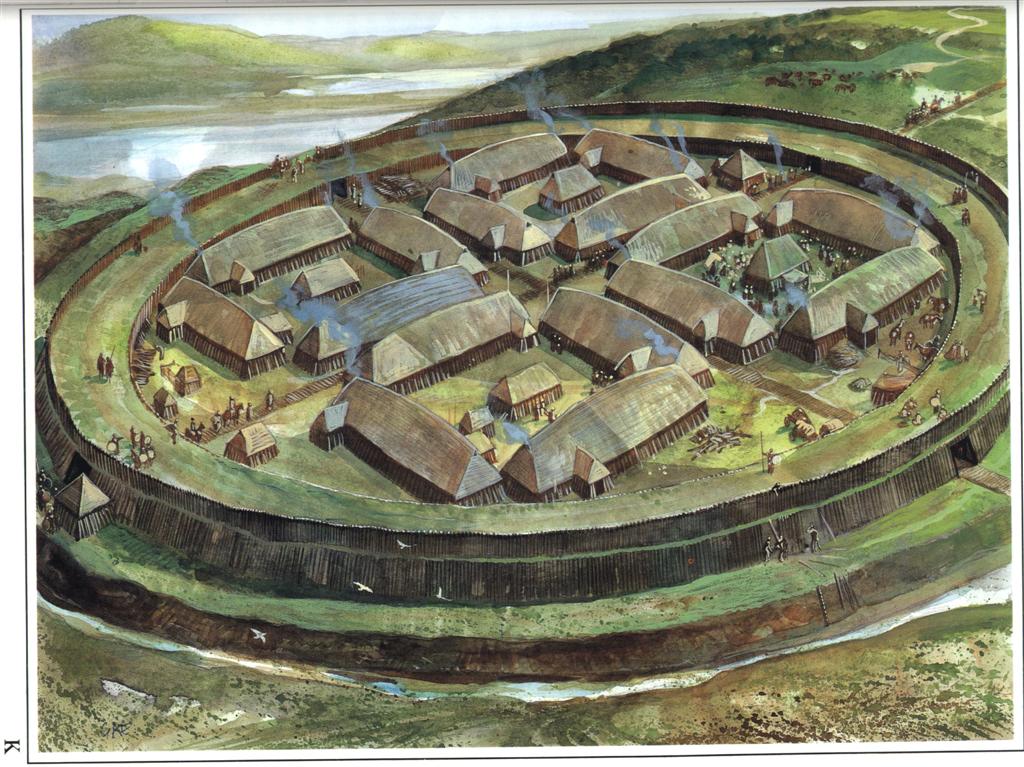
Hakonsfjord, your hamlet.
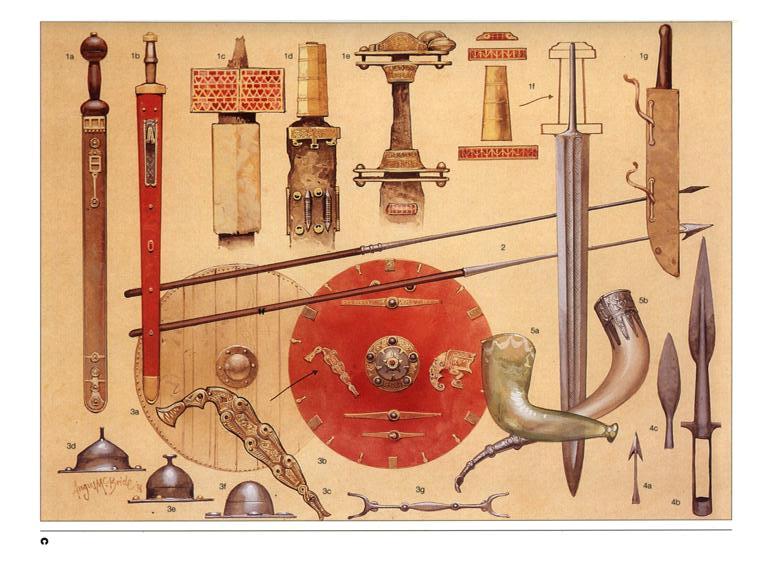
A detail on Ascomanni manufactures.
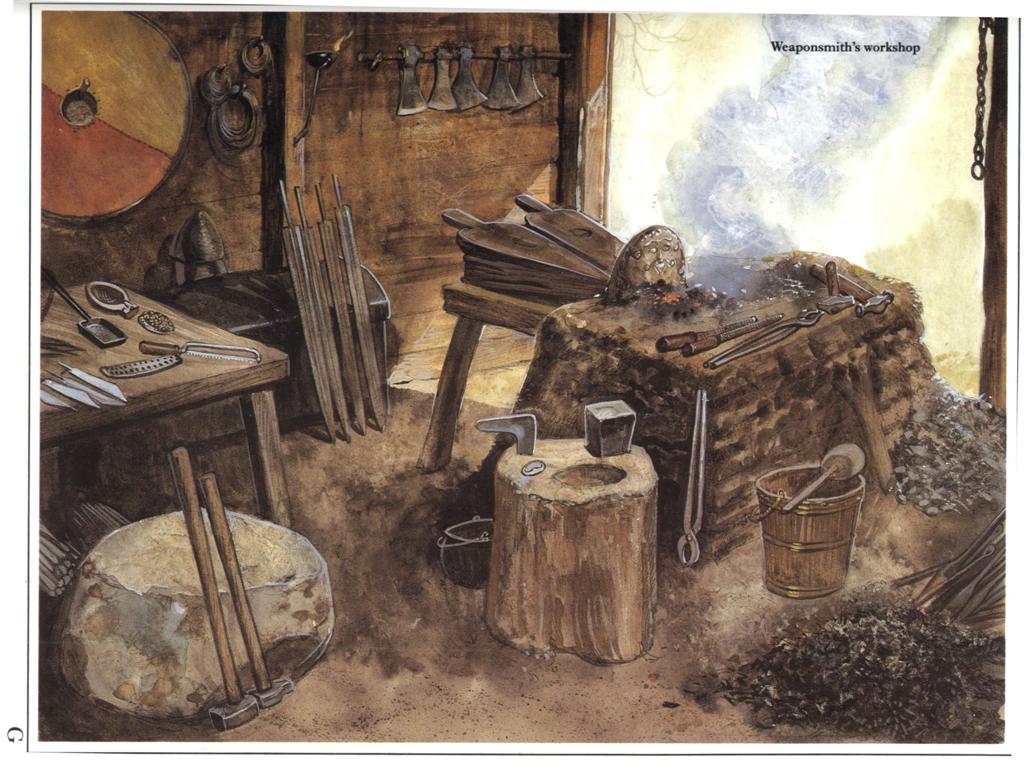
A typical smith and forge.