For those unfamiliar I have a long history with pen and paper games. I consider it an art form which can be used to realize the scholarship of etymology, mythology, classics and storytelling in an interactive, social and fulfilling way. These things appeal to me at a visceral level. This sort of gaming is a fond remembrance of my childhood, into my young adult years, and something that feels woefully absent from my life. Hanging out with a bunch of friends and weaving a tale is an ancient practice , but one which has no substitute as far as I’m concerned. It follows then that when I returned for a short vacation to my ancestral New York, where my old gaming friends reside, that I would try to put together a game for old time’s sake.
Notes for the game can be downloaded from the bottom.
I’m often asked what my tattoos mean when I wear short sleeves. It’s always a bit of an awkward place for me – because while tattoos are a form of external expression, personally they are more about codification, testimony and remembrance. I tattoo my skin with truths so that my heart is literally on my sleeve and so I’m constantly reminded of the person I am and will continue to be. While I have nothing against those who get skin art for other purposes, this is mine – and the significance of the symbols is often beyond the scope of casual banter. Because of this, I often abbreviate to the point of inaccuracy when describing my tattoos to the casually interested.
I am writing today to in more detail explain them. My intention is to point here to those who intentionally wish to know more.
I recently saw Gravity, a much acclaimed film which I cannot recommend highly enough. As a curmudgeon who can barely tolerate most movies nowadays, I found it to be a powerful film which explores the human drive for survival, compassion, the need for science education and heroics. Visually speaking Gravity is mind blowing in IMAX 3D. While most films gratuitously abuse both of these latter effects to the tune of omnipresent dubstep, Gravity is a showcase of full immersion cinema done properly and without pretentious mock. This being said, while you should watch Gravity, today I am exploring the realism and feasibility of the film plot. Much to my satisfaction the film presents a terrifying dose of reality: the scenario which develops in the film is not just something which may happen, but WILL happen the next time we go to war with a country which has access to current generation weapon systems.
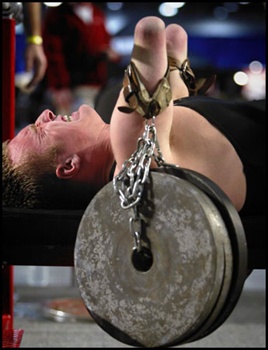
Iron mind is the mind which has realized itself and nourishes the whole person. It is not wracked with anxiety, fear or indecision. It is an inner citadel where strength, confidence, initiative, love and mastery reside. Iron mind embraces challenge, is excited by adversity and is free from fear. This mind fosters real, not perceived, happiness. A happiness bound by excellence and wisdom rather than gratification. Developing iron mind is a life’s work which is cut from years of exercise, routine, pain and trial. Such development is not only at the service of you, but at the service of your family, community, country and world.
I recently came across the short documentary “Shy Boys: IRL” which chronicles the lifestyle of self-professed “love shy” and “incel” (involuntarily celibate) men. Love-shy.com defines these conditions as:
An extreme difficulty obtaining romantic partners, to the point of not being able to obtain any at all
Extreme anxiety, awkwardness, and difficulty relating to romantic courtship situations, like asking someone out
Generalized social anxiety that inhibits your potential and limits your ability to thrive
Lack of friends, or a small number of close friends, and a difficulty in forming friendships with people
A lack of interest in forming friendships, and social interactions, with the only real desire being that of obtaining a partner
A feeling of being “left out” and alienated from society, and people in general
The film is a must see and is really an excellent portrait of the fundamental failures of western and particularly American society. Within we observe a group of men who are unable to function in the social space and are thus handicap in the other domains of human behavior. The film depicts the essential aftermath of a generation of men raised without fathers and socialized in a culture which shuns virtue, strength and honor, all the while preaching a new enlightenment based around effeminate norms. A question which persistently preoccupied my thoughts while watching this film was: how could such dysfunctional individuals exist? In other words: what forces contributed to the product of these men?
I know most of this will be fairly contentious which is why I left it for last.
I firmly believe that in order to succeed in life, and especially in weight loss or a consistent workout plan, you need to become indifferent to all the negative influences surrounding you and introduce positive influences. This does not necessarily entail a hiding or removal from the world, but training in becoming indifferent to it, and developing a love of what is good; you must love and cultivate what is beautiful in yourself and reject what can degrade or destroy you. For the former, I would recommend studying the philosophy of Stoicism. It’s a practical virtue philosophy for life which focuses on developing indifference to factors outside of your control and developing a joyful life of service to those around you. It’ll help you not get angry when you have setbacks in your quest to lose weight and improve your health, to see those setbacks as what they are and to focus on what is within your power to change. Stoic wisdom will help you confront feelings of inequity, inadequacy, betrayal, attack and misfortune. Your desires for irrational things and for things not in your best interest will evaporate and be replaced by a love of what is good. Start with Epictetus (the Enchiridion) and then check out his discourses, Marcus Aurelius and Seneca. Shakespeare also serves this purpose.
I also think it would benefit you to commonly think on the greats who have come before and try to imitate them. Our societies overwhelmingly pay worship to whores, weaklings, criminals, addicts, and charlatans in two thousand dollar suits. Instead of doting on those who drag us down look to the bad asses whose sacrifices and virtue allowed for this system of abundance and waste we now squander.
No one is more bad ass than James Stockdale. Dude was shot down over Vietnam and tortured in Hoa Lo prison for seven years. When they tried to use him on Vietnamese state TV as a propaganda piece he scalped himself. They broke his legs a ton of times, and he refused to betray his country. When they tried to force him to give a confession he slit his wrists. All the while he upheld the military chain of command amongst his fellow prisoners, instilled in them hope to continue fighting in their own way and served as president of the Naval War College following his release. Whenever you bitch about “but I want to eat that pizza everyone else is†think of Stockdale in a puddle of his own shit and piss, alone in the dark, with broken legs. Is your life really that hard?
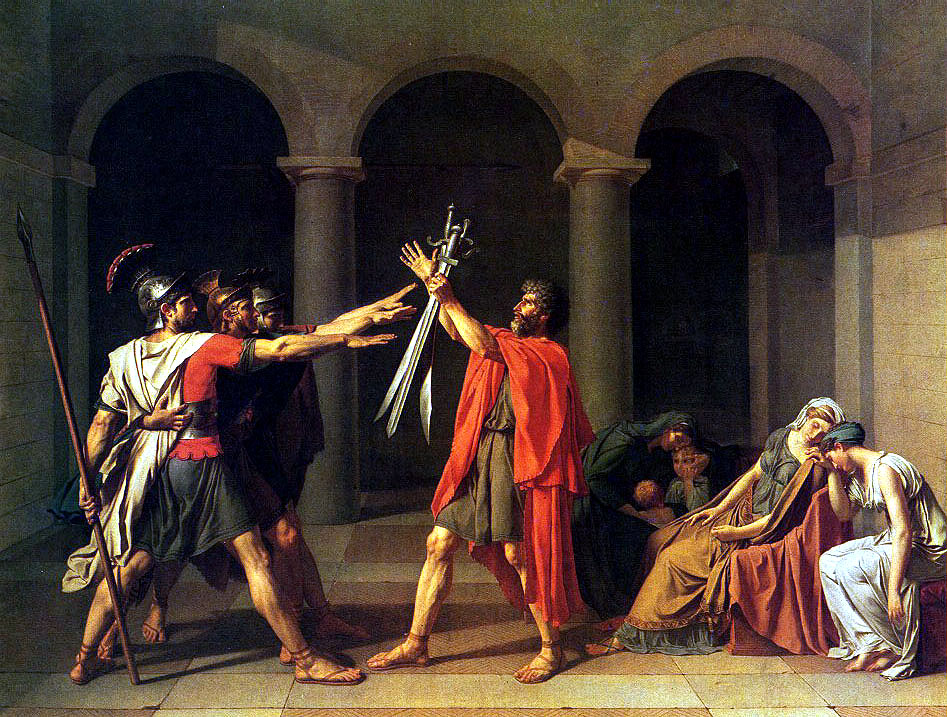
Warriors like that should be your inspiration and your role models. The classics are a good place to start. You will find powerful role models in stuff like the Iliad, the Bhagavad Gita, Odyssey, and Aeneid, and historical heroes in accounts such as Plutarch and Livy. Cato the Younger and Cincinnatus, such god damn bad asses. Think on the historical founders and mythic heroes of your civilization, and strive to imitate their action, persistence, service, love and good. Find some dudes who you can look up to, and who make you swell with feelings of admiration. Men have been blown up before, crawled on their bellies until they could drag themselves on their knees, until they could walk for a few moments, falling and cursing, until some bloody years later they could lift cars and run without end. Be proud of being like them, and of living with no apologies for your own strength. Surround yourself with others who appreciate the good life, health, restraint and other virtues which are important for the heroic, self-realized individual. You should be proud of your friends, not have to apologize for or rationalize their selfish, destructive behavior. Banish the negative, destructive and unhealthy where possible, and where not possible, become indifferent to it.
Begin a regiment of meditation. Meditation doesn’t imply merely thinking about random things in a dark room – rather it instructs a deliberate process to examine and transform our thoughts. Two suggestions: Stoic and Theravada Buddhist techniques. The former involves an action on waking. Think of all the things that could go wrong today. Maybe you could crash your car. Maybe someone will make fun of you. Maybe they will bring cake into work. How will you deal with this? How will you NOT deal with this? This allows you to prepare and anticipate the worst things that could happen, and then develop a plan to confront those things. If someone brings a cake into work and all your weak, pale co-workers are ingesting it, you should be prepared not to. Do not allow events like this to suddenly ambush you, otherwise your instincts, rather than wisdom, may prevail. And while instincts help us survive, they do not often help us flourish. In this way we can prepare effective strategies to confront our problems rather than confront them recklessly, and we also are less shocked when misfortune befalls us, allowing us to deal with setbacks in a more sober and less hysterical way. You will see the scale go up some days, and for seemingly no reason, maybe even after a huge effort in the gym. What is the response? Not shoving cake in your mouth, but instead thinking about things rationally. Buddhist meditation is a bit more technical, but do look up Mindfulness and Loving Kindness meditation, as they are immensely rewarding.
You no longer know anything for sure. Go on YouTube and watch some TED talks, every week. Open your heart to positive change and new directions. The same old doesn’t work. Throw out the past. That girl/guy who broke your heart isn’t going to fall into your arms one day. They are fucking someone else, loving it, and think you are disgusting. Hard truth: you might be. But not for long; now you’re in training, like a Spartan, like Batman in the Dark Knight Returns after a period of painful exile. Don’t ever look back. Charge forward. Get to your feet again. Charge forward. Force yourself to smile and buy some new clothes. The future is open now, not closed to darkness and hopeless. Keep watching those TED talks. Don’t buy anything from any “gurus†but listen to them all, and what appeals to your reason, experiment with. Some won’t work, but some will. Hey, your life just substantially improved because you’re now thinking about things in a novel way. Map out every hour of the day and get all this stuff in. Plan. Schedule. Act.
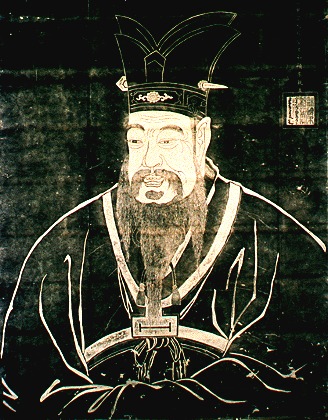
How do you describe yourself? What words define you? Abolish all negative labels. Come up with a list of words which would describe the heroic you, the you who others aspire to be. It’s not good enough to just “get by†anymore, hiding in the darkness and hating yourself. Nope, it’s time to become worth a damn. Can’t think of heroic traits? Stop watching TV and read some ennobling words which steel your spine, leave the city (even if it takes an hour) and go on long hikes in nature, listen to music with fills your heart with strength and reach for the sky. Here are some suggestions for things you can hope to embody: fortitude, temperance, justice, prudence, strength, health, dutifulness, decorum, modesty, mercy, humor, humanity, wholesomeness, truthfulness, courage, compassion, hospitality, filial piety, moral autonomy, loyalty, rectitude, benevolence and honor, to name a few options. Look up “virtue†and define your virtues. Write them down. Memorize them. Keep them close to your chest and do not speak of them; rather embody them in action. Create a credo that you recite each morning to drill them into your head. Say them in your head everywhere you go. How do I respond to this? With courage. How do I respond to that? With justice. What am I? Honest, just, prudent, honorable, strong. This list of words now defines you, not the old. If anyone calls you something else or tries to degrade you, sever yourself from them. You don’t need that shit just like a drug addict doesn’t need someone offering them a hit which will chain them back to the ground.
Begin a program of positive visualization. This involves picturing yourself from the outside succeeding in what you are doing. See that pretty girl? No, she isn’t going to laugh at you when you approach; she is going to accept your offer, because you are a fucking boss. If she doesn’t: her response was out of your control and is irrelevant, it does not say less of you, and it just means that the dice did not roll to your favor. See that barbell on the ground, loaded with weight? You are going to lift it. Imagine the muscles tensing and then exploding with power. Grab the bar and picture yourself from ten paces away. Do everything with intensity, control and precision. A fury against the prison surrounding you. Lift it. Some great challenge ahead? Picture yourself having completed it, not failing it. The sweet feeling of victory, a well-earned exhaustion and respite from weary labors. As you hear the voice of resistance trying to distract you, picture this end in benefit of you and become aware of it and then let it subside. Positive visualization isn’t wishful thinking, and failure is possible, but you mustn’t fail due to lack of belief in yourself. If you fail, that’s great – it means that you are getting closer to victory and will prevail the next time. Tell yourself this, even if you don’t believe it. Keep it constant.
All that disbelief, insecurity and self-loathing was installed by a world which is oriented to defeat you. You will triumph over it by hardening your body, training your mind and refining your character. You will feel pride for the first time in many years, and you should bask in it from time to time, absent the conceits of ego. Rather reflect with an awareness of the dark past, the hopeful present and the goals to follow. Goals which should be penned on a wall and looked to upon waking every morn. Include visions of the heroic you there: that is to say what you are now and are destined to master in time.
There is a cult of failure in western culture. A cult of excuses and of emasculation. You’re leaving this cult behind and it’s going to be scary. It’s scary, but you’re about to take control and feel good for the first time in so many years. Imagine waking up and feeling amazing, and knowing exactly what’s going on and where you are. This isn’t a fantasy, it’s now. And you’re now a force for good in this world. No one can stop you but you. All those laughing, stupid motherfuckers are dead wrong. And all those like you want to see the light at the end of the tunnel just as badly and NEED YOUR SUPPORT. Find them online, at school and on the street, cling to them, and move mountains together. Believe in them and by doing so, believe in yourself.
Go out in the world, grab it by the neck, shoot your gun into the mouth of doubt and do what you want.
A quick post – writing during my lunch hour at work.
In mid June 2011 I began a weight loss journey at around 440 lbs. I have to admit that during that time I was filled with hopelessness and expected nothing to work. At the beginning of my journey I began a diet log at Sherdog to track my progress and keep myself publicly accountable, as well as hopefully receive some guidance from warriors.
Yeah… July 5, 2009
June 7th, 2011
Xmas 2009
The original title of the log was “437 to 250.” The latter weight I thought would be impossible to achieve given my history and yet I aimed for a lofty goal to underscore my conviction.
This past week I achieved that goal and am now down to 245 – having shed about five pounds in a single week. That’s 192 lbs (lost) in about 619 days – not bad. But I’m not done yet. Onward and upward (or downward?) to 220. I am confident I can accomplish this, plus complete my body recomposition, greatly improving my functional strength, flexibility and aerobic health by the end of the 2nd year of action. In order to challenge myself today I signed up to train in thai boxing under some demanding and elite coaches once a week, which will supplement my regular, weekly powerlifting sessions. Hail iron!
I reccomend barbells! (i’m about 5 lbs heavier in these)
At work 🙂
Here’s to all who reach their goals -but more importantly: strive to reach them and value the path. To the odyssey from uncertainty, to sacrifice, to redemption! You can accomplish anything if you reject the negative and irrational and cling to the virtuous.
A conversation between Thom and I on Google – thought it may be interesting to some. Previously wrote on these topics here.
Chris: I’m butt hurt about Sam Harris because he tricked a huge audience into doing Buddhist meditation and never identified it while talking about how useful it is.
Thomas: Didn’t he make a joke about it during the speech?
Chris: I don’t like militant atheism.
Thomas: About how that’s what he was doing?
Chris: No he never IDed it, probably so people would do it. I don’t like atheists who reject everything to do with religion.
Found a really potent passage while revisiting Pierre Hadot’s Philosophy as a Way of Lifewhich more or less sums up my philosophy of life. The passage, from Philo Judaeus, a first century Jew writing in On the Special Laws, is also arguably the most pithy portrait of not only Stoicism but also the spirit of Hadot’s title.
Note: Paragraphs added – the original text, like all Greek, was one block.
Every person – whether Greek or Barbarian – who is in training for wisdom, leading a blameless, irreproachable life, chooses neither to commit injustice nor return it unto others, but to avoid the company of busybodies, and hold in contempt the places where they spend their time – courts, councils, marketplaces, assemblies – in short, every kind of meeting or reunion of thoughtless people.
As their goal is a life of peace and serenity, they contemplate nature and everything found within her: they attentively explore the earth, the sea, the air, the sky, and every nature found therein. In thought, they accompany the moon, the sun, and the rotations of the other stars, whether fixed or wandering. Their bodies remain on earth, but they give wings to their souls, so that, rising into the ether, they may observe the powers which dwell there, as is fitting for those who have truly become citizens of the world.
Such people consider the whole world as their city, and its citizens are the companions of wisdom; they have received their civic rights from virtue, which has been entrusted with presiding over the universal commonwealth. Thus, filled with every excellence, they are accustomed no longer to take account of physical discomforts or exterior evils, and they train themselves to be indifferent to indifferent things; they are armed against both pleasures and desires, and, in short, they always strive to keep themselves above passions … they do not give in under the blows of fate, because they have calculated its attacks in advance (for foresight makes easier to bear even the most difficult of the things that happen against our will; since then the mind no longer supposes what happens to be strange and novel, but its perception of them is dulled, as if it had to do with old and worn-out things).
It is obvious that people such as these, who find their joy in virtue, celebrate a festival their whole life long. To be sure, there is only a small number of such people; they are like embers of wisdom kept smouldering in our cities, so that virtue may not be altogether snuffed out and disappear from our race. But if only people everywhere felt the same way as this small number, and became as nature meant for them to be: blameless, irreproachable, and lovers of wisdom, rejoicing in the beautiful just because it is beautiful, and considering that there is no other good besides it … then our cities would be brimful of happiness. They would know nothing of the things that cause grief and fear, but would be so filled with the causes of joy and well-being that there would be no single moment in which they would not lead a life full of joyful laughter; indeed, the whole cycle of the year would be a festival for them.
Running across little gems like this is why I am a scholar and student in the classics. You will not find such nourishment in our contemporary tracts, which rather fixate on base psychology, suspicion, and nihilism. Still these old words are as true now as then. To echo Marcus Aurelius: everything is as it always was, a familiar procession of the soon to be dead, forever replaced and refreshed in common forms by cyclical nature. Value this fragile but precious existence as the festival it is.
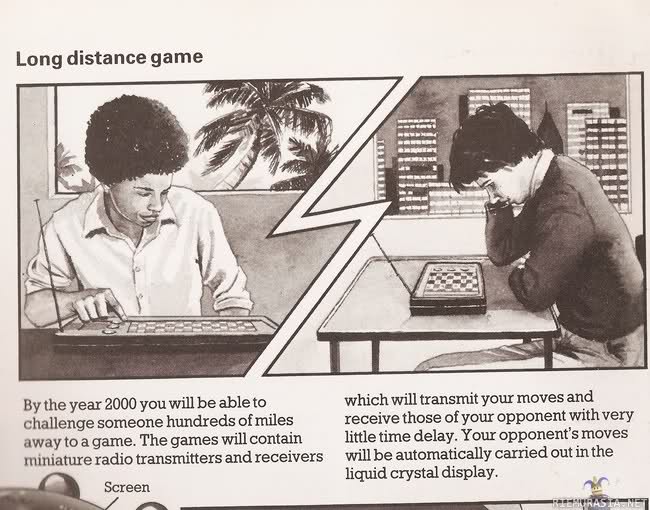
The perception of gaming in the popular culture has seen great variance in my short lifetime. In the early 90s when I was not older than five or six I was introduced to computing by my “uncle” Steve, a close family friend who worked on electronics. During that time to have a computer meant you were either a nerd or a hacker in the public eye. Being a nerd didn’t get you laid, and folks often would react to computer users with fear or disgust; the only group excepted from this treatment were dry businessmen in suits, who used computers to do boring business stuff like balance spreadsheets and embezzle funds. Everyone else was not verified to use a computer, or so the pop culture decided, and sensations like Kevin Mitnick and the widespread phreaking of public phones during the decade didn’t help matters either. Following “Y2k” the public opinion shifted rapidly. In this period every home made efforts to acquire a computer, and computing was the new exciting thing to devote leisure to. Fast forward to today: it’s now even acceptable for “hot girls” to use computers, and being savvy with a computer and information technology ensures your place in the job market. On the contrary: to be inept in using such technology nowadays ensures your irrelevance, both socially and economically.
Strangely while your parents and the parents of your parents probably use Facebook more than their children do and sing praise to their glorious idol Netflix amidst the corpse-like glamor of LCD light, gaming has remained a maligned topic. Not amongst the young: no, in that demographic gaming has become widespread and nearly normalized. However in the popular media and amongst the formal and businesslike, gaming is demonized as not only a waste of resources, but is also blamed for inciting domestic violence and mass shootings and for providing a wayward path to squander precious opportunities. As a young person it’s all too common to be chastised by elders for “doing nothing all day” as they spend hour after hour on their smart phones stalking lost loves on social media websites. I am here to refute the notion that gaming is toxic and to defend it as an institution. I credit a great deal of what I know with that hobby, and it also recently landed me an excellent job. Please forgive the meandering nature of this post; it’s as much a memoir as it is an essay.


 Shy Boys: IRL